A Guide to Buying, Selling, and Profiting from Sports Memorabilia
Profiting from sports memorabilia, particularly sports trading cards, requires a blend of knowledge, strategy, and patience.
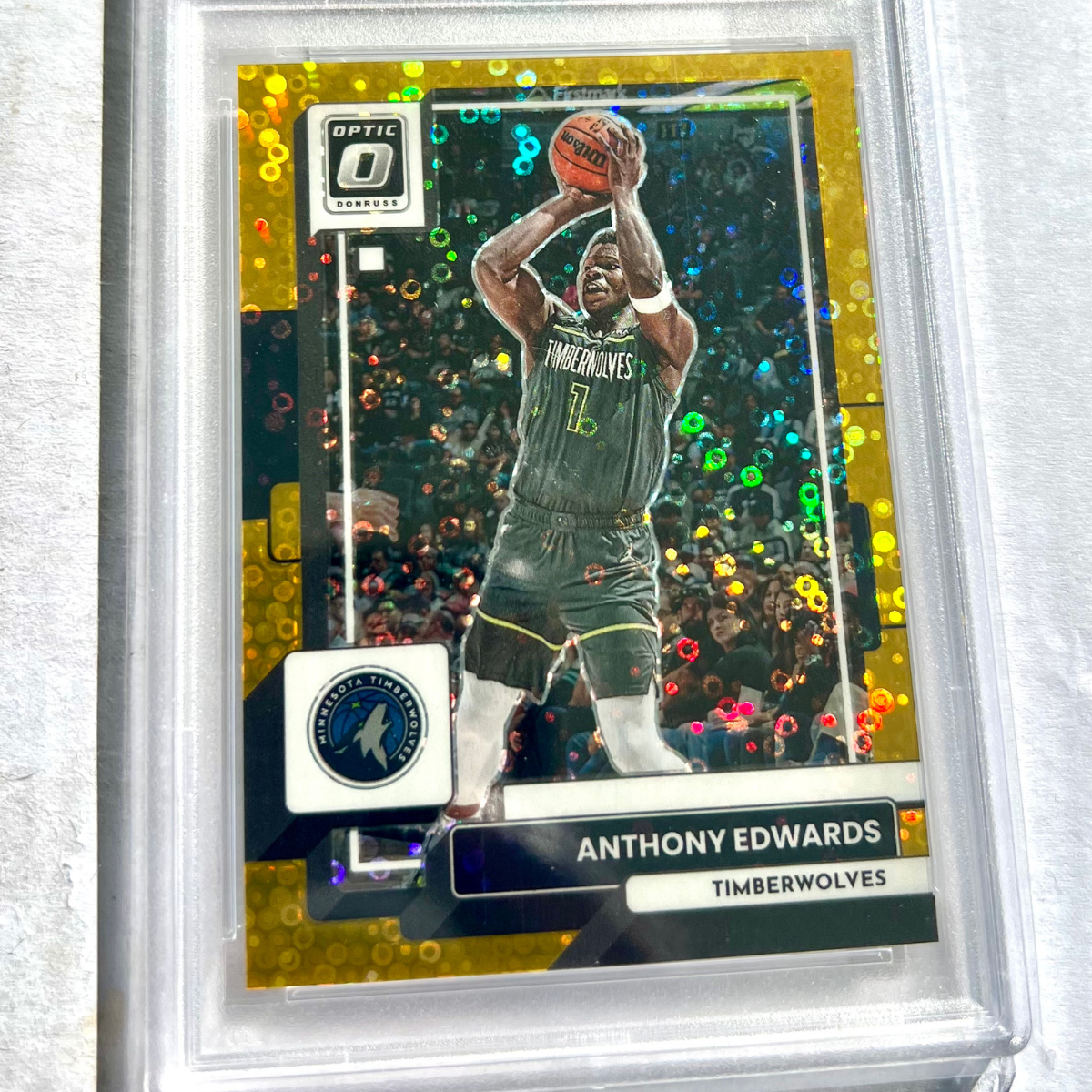
Sports memorabilia can be a rewarding and profitable venture if approached with the right knowledge and strategies.
From vintage baseball cards to signed jerseys, the world of sports collectibles offers numerous opportunities for enthusiasts and investors alike.
This guide will delve into the essentials of buying, selling, and profiting from sports memorabilia, focusing on the baseball card industry—a cornerstone of sports collectibles.
Understanding the Market
read: Are Trading Cards Collectibles, Investments, or Gambling?
The Value of Sports Cards
Baseball cards have been a popular collectible for over a century, with their value determined by factors such as player popularity, card condition, rarity, and historical significance. Key cards, such as the 1952 Mickey Mantle Topps or the 1909-11 T206 Honus Wagner, can fetch millions at auctions. However, even modern cards can hold significant value if they feature star players or limited editions.
Market Trends
To succeed in the baseball card market, it's crucial to stay informed about current trends. Market trends are influenced by several factors, including player performance, historical milestones, and broader economic conditions. For instance, a player's sudden rise to stardom or a team's championship win can spike the value of related memorabilia.
Buying Sports Cards
Research and Education
Before making any purchases, invest time in researching and educating yourself about the market. Familiarize yourself with grading systems (such as PSA and Beckett), understand key terms, and follow industry news. Resources like hobby magazines, online forums, and social media groups can provide valuable insights.
Sources for Purchasing
- Auctions: Established auction houses likeSotheby's or Heritage Auctions often handle high-value cards, offering authenticity guarantees and expert appraisals.
- Online Marketplaces: Platforms like eBay and COMC (Check Out My Cards) are popular for buying and selling cards. Ensure to verify the seller’s reputation and the card’s authenticity.
- Card Shows and Conventions: These events offer the opportunity to view cards in person, negotiate prices, and connect with other collectors.
- Local Shops: Many cities have card shops where you can find a range of cards and receive personalized advice from shop owners.
Buy Low
The fundamental principle of profiting in the memorabilia market is to buy low and sell high. Look for undervalued cards from emerging players or those who are currently undervalued but show potential for future growth. Patience is key; sometimes, it takes years for a card's value to appreciate significantly.
Selling Sports Cards
Timing the Market
Timing is critical when selling sports memorabilia. Monitor market trends and be aware of events that might impact a card’s value, such as a player's retirement announcement, Hall of Fame induction, or exceptional performance streaks. Selling at the right moment can maximize your profits.
Selling Platforms
- Auction Houses: For high-value cards, consider using reputable auction houses. They can provide a larger audience and often achieve higher sale prices.
- Online Marketplaces: eBay and other platforms are suitable for a wide range of cards. Ensure to list your card with clear, high-quality images and detailed descriptions.
- Social Media and Forums: Engaging with collector communities on platforms like Facebook, Reddit, or specialized forums can connect you with serious buyers.
- Card Shows and Conventions: Selling at these events can provide immediate cash and allow you to negotiate directly with buyers.
Presentation and Grading
The condition of your cards significantly affects their value. Graded cards (those that have been professionally evaluated for condition) tend to sell for higher prices. Investing in professional grading from companies like PSA or Beckett can be worthwhile, especially for high-value cards.
Profit Strategies
Diversify Your Portfolio
Just like in any investment, diversifying your collection can mitigate risks. Invest in a mix of vintage and modern cards, rookie cards, and cards from different players and teams. This approach ensures that your portfolio isn’t overly dependent on the success of a single player or era.
Stay Informed and Adapt
The sports memorabilia market is dynamic. Staying informed about player statistics, industry news, and economic factors can help you make informed buying and selling decisions. Adapt your strategy based on new information and market shifts.
Build Relationships
Networking with other collectors, dealers, and industry experts can provide valuable insights and opportunities. Attend conventions, join collector clubs, and participate in online forums to build a network that can help you navigate the market more effectively.
Profiting from sports memorabilia, particularly cards, requires a blend of knowledge, strategy, and patience. By understanding market trends, making informed purchases, and timing your sales effectively, you can maximize your returns. Remember to diversify your collection, stay informed, and build relationships within the community to enhance your success in this exciting and potentially lucrative hobby.